To truly understand the Scottish Highlands, one must move beyond the windscreen of a tour bus. As we look towards the 2026 travel season, the shift in Highland tourism is clear: travellers are trading crowded itineraries for deeper, more personal connections with the landscape.
Inverness, the “Capital of the Highlands”, serves as the ultimate gateway. However, the difference between a good trip and a transformative one lies in the details—the single-track roads known only to locals, the stories behind the ruins, and the ability to pivot when the mist rolls over the glen. At Highlander Private Tours, we specialise in bridging the gap between being a tourist and being a guest of the Highlands.
Whether you are chasing the echoes of the Jacobites at Culloden or seeking the ethereal light of the Isle of Skye, this guide provides the expert insight you need to plan your 2026 Scottish adventure.
1. Beyond the Myth: The Authentic Loch Ness Experience
Loch Ness is often the first item on any Scottish bucket list, but it is frequently misunderstood. Most visitors flock to the northern shore via the A82, resulting in heavy traffic and crowded viewpoints.
For a more authentic experience, we recommend exploring the South Side of Loch Ness. This quieter route offers a rugged, elevated perspective of the water.
- The Dores Viewpoint: A local favourite that offers the most iconic longitudinal view of the loch.
- The Falls of Foyers: A dramatic “hidden” waterfall that provides a perfect forest walk away from the bus tours.
- Urquhart Castle: While popular, timing is everything. We suggest visiting in the late afternoon when the light hits the sandstone ruins against the deep blue of the water, and the large groups have begun their journey back to the city.
Our Loch Ness private tours are designed to move beyond the typical tourist trail, offering a sophisticated exploration of the Great Glen that balances iconic landmarks with hidden local gems.
For those seeking the classic experience, we provide seamless access to the ruins of Urquhart Castle and can coordinate private boat charters that allow you to appreciate the scale of the loch from the water, far from the coastal traffic of the A82.
By choosing a private tour, you gain the flexibility to bypass the busiest hours, ensuring your encounter with Scotland’s most famous loch feels personal rather than processed.
For a more rugged and tranquil perspective, we often guide guests along the South Side of Loch Ness. This “quiet side” features single-track roads, the dramatic Falls of Foyers, and the panoramic Dores Beach, which offers the most spectacular longitudinal view of the water.
This route allows us to visit smaller, authentic Highland villages and viewpoints that large tour buses simply cannot reach.
Whether we are watching the canal locks in action at Fort Augustus or exploring the forested trails of the south shore, our focus is on providing a comprehensive “Full Circle” experience of the loch’s 70-mile circumference.
Beyond the water itself, we specialise in connecting Loch Ness to the broader tapestry of Highland history. Our itineraries frequently pair a morning on the loch with an afternoon at Culloden Battlefield or the prehistoric standing stones of Clava Cairns, providing a deep dive into the Jacobite Risings and ancient Scotland.
With a professional kilted guide at the helm of a luxury vehicle, you aren’t just seeing the sights—you are engaging with the folklore, geology, and genuine Highland culture that make Loch Ness a bucket-list destination for 2026.
Local Insight: In 2026, sustainable travel is a priority. Choosing a private tours of Loch Ness allows you to visit smaller, locally-owned cafes and craft shops along the south shore that cannot accommodate large coaches, ensuring your visit supports the local Highland economy directly.
2. Walking the Lines of History: Culloden and Clava Cairns
History in the Highlands isn’t just found in books; it is etched into the earth. A short drive from Inverness takes you to Culloden Battlefield, the site of the final 1746 Jacobite Rising.
Walking the battlefield is a sombre, emotive experience. To get the most from it:
- Listen to the Silence: The atmosphere at Culloden is best felt in the early morning.
- The “Outlander” Connection: Many of our guests arrive with an interest in the Fraser stone, but we dive deeper into the real clan histories that shaped the modern Highlands.
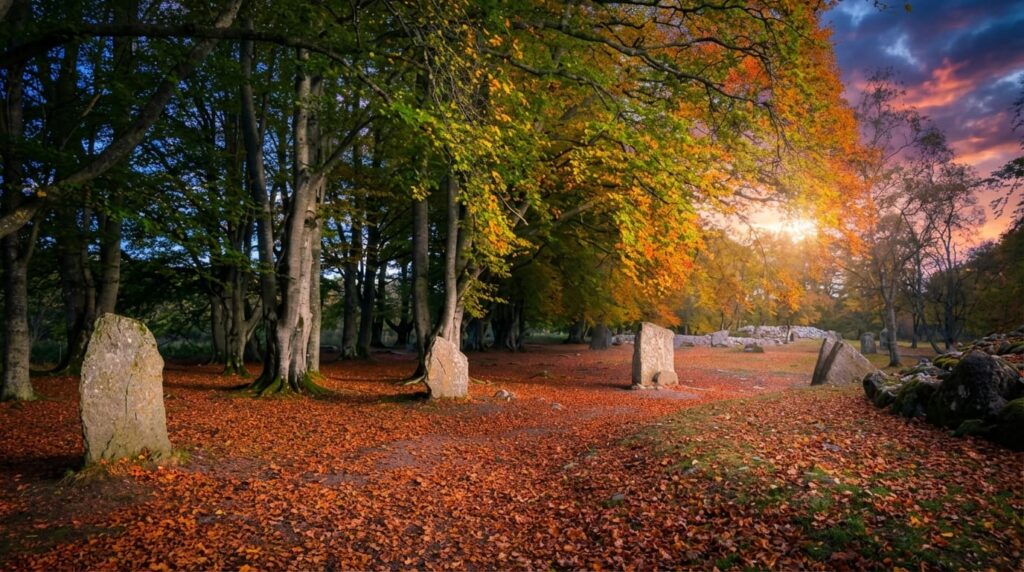
- Clava Cairns: Located just minutes away, these Bronze Age burial chambers and standing stones pre-date the battle by 4,000 years. They offer a prehistoric perspective that provides a startling contrast to the 18th-century history nearby.
3. The Misty Isle: Isle of Skye Day Tours from Inverness
The Isle of Skye remains Scotland’s most sought-after destination. However, the journey from Inverness is approximately 2.5 hours each way. To make this “big day” successful, professional planning is essential.
Our 2026 Skye itineraries focus on the Trotternish Peninsula, home to the island’s most surreal geological features:
- The Old Man of Storr: A jagged pinnacle of rock that dominates the skyline.
- The Quiraing: A massive landslip that feels like stepping into a fantasy film.
- Portree: The island’s capital, famous for its row of brightly coloured houses overlooking the harbour—the perfect spot for a local seafood lunch.
Expert Tip: The weather on Skye is notoriously fickle. A private guide monitors real-time weather patterns and may suggest reversing the itinerary to ensure you see the Fairy Pools or Eilean Donan Castle in the best possible light.
4. The Spirit of the North: Speyside and Highland Whisky
For many, a trip to Scotland is a pilgrimage to the “water of life”. From Inverness, you are perfectly positioned to explore Speyside, the world’s most densely populated whisky region.
While names like Glenfiddich and The Macallan are world-famous, we often take our guests to “boutique” distilleries. In 2026, we are seeing a surge in interest for:
- The Singleton of Glen Ord: One of the few distilleries that still malts its own barley.
- Benromach: A smaller, traditional distillery where everything is still managed “by eye” rather than by computer.
- Tomatin: Tucked away in the Monadhliath Mountains, offering a rugged, earthy Highland dram.
A private driver-guide is particularly valuable here, allowing your entire group to participate in tastings safely while we handle the navigation of the narrow “whisky roads”.
5. Experience-Based Insights: Tips for Your 2026 Visit
As local experts who spend every day on these roads, here are our top recommendations for the coming year:
- The “Shoulder” Seasons: May, September, and October offer the best balance of light, weather, and manageable crowds. The autumn colours in Glen Affric are arguably the most beautiful sight in Scotland.
- Single-Track Savvy: Many of the best views are on single-track roads with “passing places”. If you are driving yourself, remember: pull in to the left to let others pass, and never use a passing place as a parking spot for photos.
- Layer Up: The “four seasons in one day” cliche exists for a reason. Even in July, a waterproof shell and a light wool layer are non-negotiable.
- Book Ahead: For 2026, we recommend booking private tours at least 4–6 months in advance. The demand for high-end, bespoke experiences is at an all-time high.
Frequently Asked Questions (FAQ)
What is the best time of year to visit the Scottish Highlands?
The best time is generally from May to September. May offers the longest daylight hours and blooming gorse, while September provides stunning autumnal colours and fewer midges.
How many days do I need for a tour of the Highlands?
If based in Inverness, a 3-day itinerary allows you to cover Loch Ness/Culloden, the Isle of Skye, and a day in Speyside or the North Coast. For a more relaxed pace or to include the Outer Hebrides, 5–7 days is ideal.
Can I see the Isle of Skye in a single day from Inverness?
Yes, it is possible and very popular. It is a long day (approx. 10–12 hours), but by taking a private tour, you can relax in a luxury vehicle while your guide handles the driving, ensuring you see the main highlights like Eilean Donan Castle and the Old Man of Storr.
Is Loch Ness actually worth visiting?
Absolutely, provided you see it the right way. Avoid the tourist traps and focus on the South Side or take a private boat charter to see the ruins of Urquhart Castle from the water for a much more meaningful experience. We offer Loch Ness Tours
What should I wear on a Highland tour?
Sturdy, waterproof walking shoes and layers. A waterproof jacket is essential, as is a “base layer” (like merino wool) to keep you warm if the wind picks up.
Are private tours better than group bus tours?
Private tours offer flexibility, comfort, and local access. We can stop whenever you see a photo opportunity, change the route based on the weather, and visit hidden gems where large coaches simply cannot go.
Start Your Highland Journey
At Highlander Private Tours, we don’t just show you the sights; we tell you the story of our home. From the luxury of our Mercedes fleet to the deep local knowledge of our kilted guides, we provide an unparalleled window into the heart of Scotland.
Whether you are looking for a classic Loch Ness and Culloden day trip or a bespoke Multi-Day Highland Odyssey, we invite you to explore our range of tours or contact us to build your perfect 2026 itinerary.