Scotland is a land where history is etched into the very landscape. From windswept Highland glens to mysterious ancient monoliths, the country is home to a staggering array of historic monuments that tell tales of fierce clans, royal intrigue, ancient rituals, and architectural brilliance. For travellers planning a trip north, exploring these landmarks offers a profound connection to the past.
While self-driving or joining large bus groups are common options, discovering these iconic monuments often demands local navigation, careful timing, and an understanding of remote geography. Experiencing them through bespoke private tours allows travellers to move at their own pace, bypass the crowds, and gain deep contextual insights that guidebooks simply cannot provide.
Tracing Ancient Footsteps: Prehistoric Stones and Mysterious Monoliths
Long before castles dominated the Scottish horizon, ancient communities left their mark on the landscape through monumental stone circles and burial cairns. These prehistoric sites offer a humbling glimpse into Neolithic and Bronze Age civilisations.
In the far north, sites like the Calanais Standing Stones on the Isle of Skye and the Outer Hebrides rival Stonehenge in age and scale. Closer to the mainland and easily accessible from northern hubs, areas rich in ancient history reveal complex layers of ritual and habitation. Unlike typical tourist traps, standing before these vertical slabs of Lewisian gneiss in silence—especially in the early morning mist—offers an authentic connection to ancient Scotland.
Local Insight: Prehistoric sites are often located in exposed, rural environments. Weather changes rapidly in the Highlands and islands, so wearing sturdy footwear and windproof layers is essential. Visiting early in the day not only guarantees parking at remote locations but also lets you experience the monuments without the distraction of modern crowds.
Fortresses on the Water: Iconic Castles and Strongholds
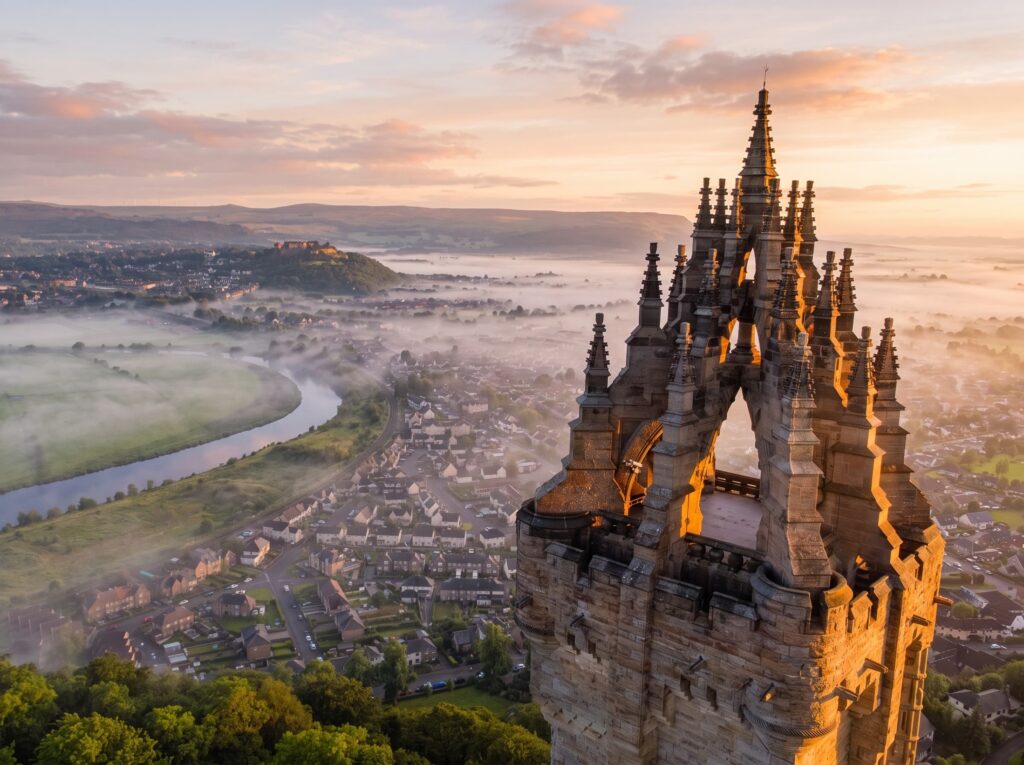
No tour of Scottish monuments is complete without encountering its dramatic fortresses. Strategically positioned on volcanic crags, narrow promontories, and freshwater lochs, these stone strongholds were built for defense and royal display.
In the Scottish Highlands, landmarks such as Urquhart Castle on the shores of Loch Ness or the globally celebrated Eilean Donan Castle command breathtaking vistas. Further south, structures like Stirling Castle and Edinburgh Castle tell the turbulent stories of the Wars of Scottish Independence and the Stuart monarchs.
Navigating these popular locations requires a strategic approach. Mid-day queues can disrupt a tight travel schedule, which is why travellers often rely on knowledgeable local drivers to time their visits perfectly, arriving just as larger coach tours depart.
Memorials of the Glens: Remembering Scotland’s Turbulent Past
Scotland’s monuments are not just medieval; they also commemorate the defining events and individuals that shaped the nation’s social fabric. Tributes like the Commando Memorial near Spean Bridge—overlooking the rugged Nevis Range—and the poignant stones at Culloden Battlefield just outside Inverness serve as powerful reminders of military history and clan heritage.
Visiting Culloden requires quiet reflection. Walking the open moor where the 1746 Jacobite rising came to its tragic end is a deeply moving experience. Local private guides bring these battlefields to life by explaining the tactical realities, human stories, and lasting cultural aftermath without the rush of a rigid group schedule.
Frequently Asked Questions About Visiting Scottish Monuments
What are the most famous monuments to visit in Scotland?
Some of the most iconic landmarks include Edinburgh Castle, Stirling Castle, Eilean Donan Castle, Urquhart Castle on Loch Ness, the Calanais Standing Stones, and the Commando Memorial. Each offers a unique window into different eras of Scottish history.
Do I need to book tickets for Scottish monuments in advance?
Yes, major historic properties managed by organizations like Historic Environment Scotland or the National Trust for Scotland often require pre-booked online time slots during peak tourist seasons (May through September) to guarantee entry.
How can I avoid the crowds at popular Scottish landmarks?
The best way to avoid heavy crowds is to arrive right at opening time (usually 9:30 AM) or late in the afternoon. Alternatively, booking a private tour allows your itinerary to remain flexible, adapting dynamically to beat the arrival times of large tour buses.
Are Scottish monuments accessible for people with limited mobility?
Accessibility varies significantly. While modern visitor centres like Culloden or Stirling Castle feature lifts and smooth pathways, ancient ruins, remote standing stones, and medieval castles often feature steep stairs, uneven cobblestones, and rugged terrain.
What is the best time of year to tour historical sites in Scotland?
The shoulder seasons—April to May and September to October—offer pleasant weather, fewer crowds, and stunning seasonal scenery, making them ideal months for sightseeing and photography.
Can I visit multiple monuments in a single day from Inverness?
Yes. Inverness serves as an ideal gateway for private day tours. From the city, you can easily reach Loch Ness, Culloden Battlefield, Clava Cairns, and even iconic west-coast castles like Eilean Donan within a comfortable driving loop.
Plan Your Custom Highland Journey
Uncovering Scotland’s monumental history is vastly more rewarding when tailored to your personal interests. Whether you want to explore ancient stone circles, delve into Jacobite history, or photograph legendary castles against dramatic Highland backdrops, having a dedicated local expert behind the wheel transforms a standard holiday into an unforgettable expedition.
Explore our bespoke private tours or contact Highlander Private Tours today to start designing your custom Scottish itinerary.