The Scottish Highlands are often defined by their dramatic geology—the jagged peaks of the Cuillins, the deep mysteries of Loch Ness, and the vast, heather-clad moors of the Cairngorms. However, for many travellers, the true soul of the Highlands is found in its inhabitants.
From the majestic Red Deer to the charismatic Highland Cow, the wildlife of Scotland offers a window into a prehistoric landscape that remains stubbornly untamed.
Spotting these animals in their natural habitat requires more than just luck; it requires an understanding of the terrain, the seasons, and the subtle rhythms of the Scottish weather.
At Highlander Private Tours, we specialise in navigating these nuances, ensuring our guests experience the Highlands not just as a backdrop, but as a living, breathing ecosystem.
This guide explores the most iconic animals you may encounter on a tour of the Highlands, providing local insights into where, when, and how to see them.

1. The Highland Cow: Scotland’s Shaggy Icon
Affectionately known as the “Heilan Coo,” the Highland Cow is perhaps the most photographed animal in Scotland. Known for their long, wavy coats and formidable horns, these hardy bovines are perfectly adapted to the harsh Highland winters.
Where to See Them
While Highland Cows are domesticated, they are often kept in large, open hill grazings. On our private tours from Inverness, we frequently encounter them in the Applecross peninsula and around the village of Dores near Loch Ness.
Unlike modern commercial breeds, Highland Cows are excellent foragers and can be found on terrain that would be inaccessible to other cattle.
Local Insight
While they appear docile and are generally even-tempered, it is important to remember they are large animals. If you encounter them on a roadside or a hill path, give them plenty of space, especially if calves are present.
The “folding” (a group of Highland Cows) is most impressive in the winter months when their double-layered coats are at their thickest and most rugged.
2. Red Deer: The Monarch of the Glen
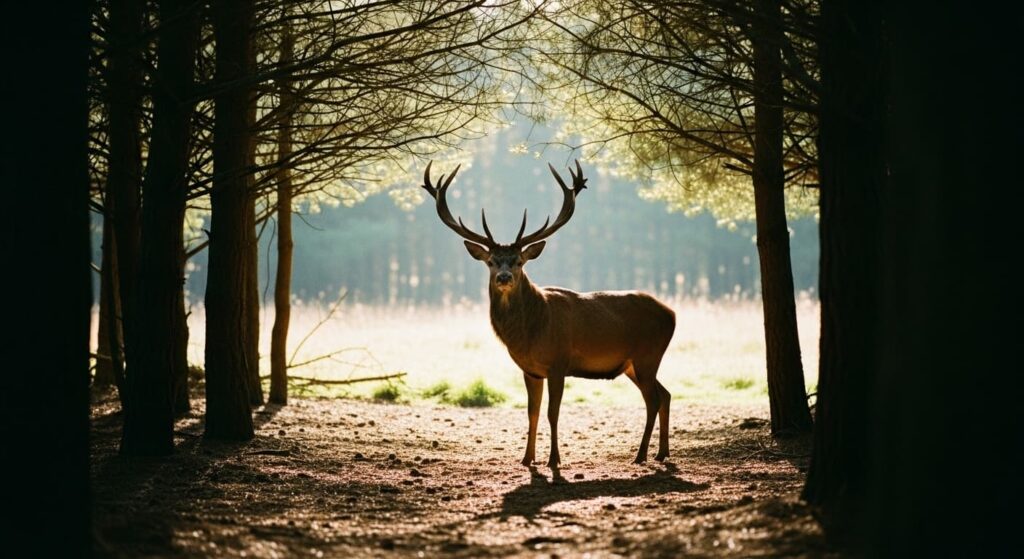
The Red Deer (Cervus elaphus) is the UK’s largest land mammal and a true symbol of the Scottish wilderness. They have inhabited these lands since the end of the last Ice Age and remain a dominant presence on the open hillsides.
The Best Time for Sightings
While deer can be spotted year-round, the Autumn Rut (late September to October) is the most spectacular time to observe them. This is when the stags compete for mating rights, filling the glens with their guttural roars.
During the winter, the deer often move to lower ground to escape the deep snows of the high summits, making them much easier to spot from the comfort of a touring vehicle.
Expert Observation Tips
Red Deer are masters of camouflage against the brown and purple hues of the heather.
We recommend bringing a good pair of binoculars and always staying up-wind from the point of interest.

3. Golden Eagles and White-Tailed Sea Eagles
Scotland is a stronghold for raptors, and seeing an eagle soaring over a glen is a highlight of any Highland itinerary.
- The Golden Eagle: The “Top Predator” of the hills. They prefer the mountainous interior and are often seen soaring high on thermals.
- The White-Tailed Sea Eagle: Also known as the “Flying Barn Door” due to its massive 2.5-metre wingspan. These were successfully reintroduced to Scotland and are now frequently sighted along the West Coast and the Isle of Skye.
Viewing on Tour
The Isle of Skye is one of the premier locations for eagle spotting. During our Isle of Skye Private Tours, we often pause at known nesting sites (from a respectful distance) or scan the ridges of the Trotternish Peninsula. Look for the “fingered” wingtips that distinguish an eagle from a common buzzard.

4. Atlantic Puffins: The Clowns of the Coast
With their brightly coloured bills and waddling gait, puffins are a seasonal favourite. These “sea parrots” spend most of their lives at sea, returning to Scottish cliffs and islands only to breed.
Seasonal Timing
Puffins are only present on land from late April to early August. If your tour falls within this window, a boat trip to the Treshnish Isles or a visit to the cliffs of Handa Island is highly recommended.
Local Knowledge
The best time to see puffins is often in the early evening when they return to their burrows with a beak full of sand eels.
They are surprisingly small in person—about the size of a pigeon—and their resilience in the face of North Atlantic storms is nothing short of miraculous.

5. The Elusive Scottish Wildcat
Known as the “Highland Tiger,” the Scottish Wildcat is one of the rarest and most endangered mammals in the world. They are notoriously shy, nocturnal, and expertly camouflaged.
Can You See One on Tour?
To be candid: a sighting in the wild is extremely rare. Even seasoned Highland guides may only see a handful in a lifetime. However, understanding their habitat—the “edge” country where forest meets moorland—adds a layer of depth to your journey through the Highlands.
We often discuss the conservation efforts currently underway in the Cairngorms National Park to save this iconic species from extinction.

6. Marine Life: Dolphins and Seals
The waters surrounding the Highlands are as rich in wildlife as the land. The Moray Firth, just north of Inverness, is home to the world’s most northerly population of Bottlenose Dolphins.
Where to Spot Them
- Chanonry Point: Located on the Black Isle, this is one of the best land-based spots in Europe to see dolphins as they come in with the tide to feed.
- Seals: Both Common (Harbour) and Grey Seals are ubiquitous along the Scottish coastline. On a private tour to the West Coast, you will almost certainly see them hauled out on the rocks of sea lochs like Loch Carron or Loch Alsh.

7. Red Squirrels and Pine Martens
In the ancient Caledonian Pine Forests, two of Scotland’s most charming forest dwellers reside.
- Red Squirrels: Unlike the invasive Grey Squirrel found further south, the Red Squirrel has a stronghold in the Highlands. Their tufted ears and acrobatic displays make them a joy to watch.
- Pine Martens: Once nearly extinct in the UK, Pine Martens are making a strong comeback. They are elusive, cat-sized members of the weasel family with beautiful cream-coloured chests.
Viewing Tips
The Rothiemurchus Estate in the Cairngorms is an excellent location for spotting Red Squirrels. For Pine Martens, many Highland lodges and “hides” offer evening viewing opportunities, as they are naturally cautious of humans during the day.
Practical Advice for Wildlife Watching in the Highlands
To make the most of your wildlife tour, we recommend the following:
- Patience is Key: Wildlife does not operate on a schedule. Spending twenty minutes quietly scanning a hillside is often more rewarding than driving quickly from A to B.
- The Right Gear: Waterproof clothing is essential. The “four seasons in one day” trope is real, and you don’t want a sudden shower to ruin a sighting.
- Ethical Viewing: We adhere to the Scottish Marine Wildlife Watching Code and the Scottish Outdoor Access Code. We never disturb nesting birds or approach seals too closely.
- Early Starts: Many of the Highlands’ most interesting animals are crepuscular, meaning they are most active at dawn and dusk.
Why Choose a Private Tour for Wildlife?
Booking a private tour with Highlander Private Tours offers a distinct advantage over large bus tours. Our smaller vehicles can access narrow, single-track roads where wildlife is more likely to be present.
Furthermore, our itineraries are flexible; if we spot a Golden Eagle or a herd of deer, we have the freedom to stop, observe, and take photographs without the pressure of a rigid timetable.
Our guides are locals who live and breathe the Highlands.
Frequently Asked Questions
What is the best month to see wildlife in the Scottish Highlands?
May and June are excellent for birdlife (including puffins) and longer daylight hours. October is the best time for the Red Deer rut. Winter (January–March) offers the best chance to see deer and mountain hares in their white winter coats against the snow.
Can I see Highland Cows near Inverness?
Yes, there are several locations within a 30-minute drive of Inverness where Highland Cows are kept. We often include a stop to see them on our Loch Ness or Culloden tours.
Are there bears or wolves in Scotland?
No. Bears and wolves were hunted to extinction in Scotland centuries ago. Today, the largest land predator is the Scottish Wildcat, followed by the Pine Marten and the Fox.
Where is the best place to see dolphins in Scotland?
Chanonry Point on the Black Isle, near Inverness, is widely considered the best spot for land-based dolphin watching. The best time to see them is usually on a rising tide.
How likely am I to see an Eagle?
On a clear day on the Isle of Skye or in the North West Highlands, your chances are relatively high, provided you know where to look. Our guides are trained to spot their distinctive silhouettes against the ridges.
Do I need a professional camera for wildlife?
While a professional lens helps, modern smartphones can capture great photos if the animal is close (like Highland Cows). For birds and deer, a pair of binoculars is often more useful for the experience than a camera.
Plan Your Highland Adventure
The wildlife of the Scottish Highlands is waiting to be discovered. Whether you are desperate to see a “Heilan Coo” up close or hope to catch the golden glint of an eagle’s wing, Highlander Private Tours can craft the perfect itinerary for you.
Would you like us to create a bespoke wildlife-focused itinerary for your trip to Scotland?
Explore Our Private Tours from Inverness | Contact Us to Start Planning