The Scottish Highlands are renowned for sweeping glens, ruined castles, and legendary lochs.
Yet, long before the famous highland clans dominated this landscape, Scotland was home to a mysterious, formidable, and highly artistic society: the Picts. For travellers fascinated by ancient history, tracing the remnants of this lost culture offers a profound and deeply authentic connection to Scotland’s past.
From our base in Inverness, Highlander Private Tours crafts bespoke itineraries that take you off the well-trodden tourist trails to explore these ancient marvels. Whether you are looking to understand the cryptic symbols carved into standing stones or walk the ramparts of forgotten coastal fortresses, exploring Pictish Scotland provides an unforgettable dimension to your Highland journey.
The Enduring Mystery of Scotland’s Painted People
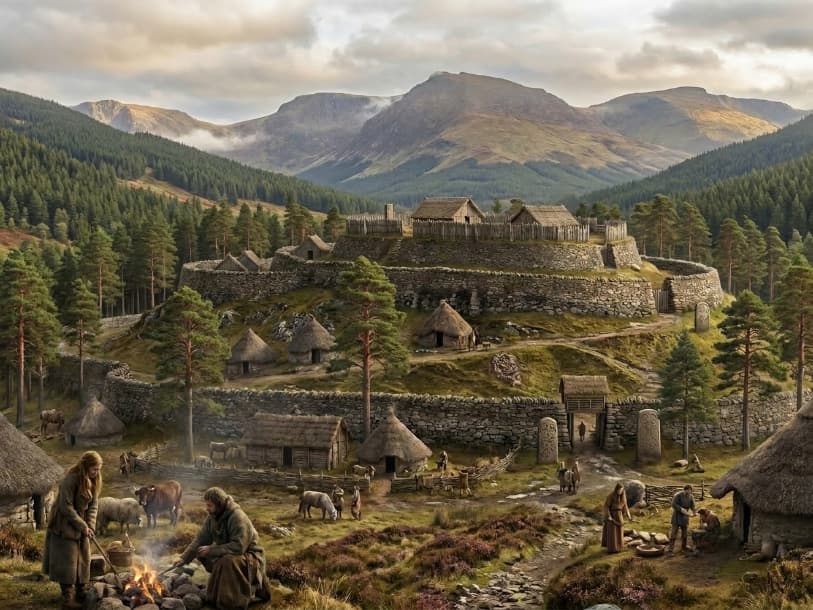
The term ‘Pict’ derives from the Roman word ‘Picti’, meaning the painted or tattooed people. Flourishing from the late Iron Age through to the Early Medieval period, the Picts successfully repelled Roman advances and established powerful kingdoms across northern and eastern Scotland.
Because they left no written records of their own, much of what we know about the Picts comes from the accounts of their adversaries and the spectacular stone monuments they left behind.
These intricately carved symbol stones feature mysterious designs—crescents, V-rods, mirror and comb motifs, and stylised animals—whose exact meanings remain a subject of fierce debate among historians today.
Essential Pictish Locations Accessible from Inverness
Inverness serves as the perfect gateway for discovering some of the most significant Pictish sites in the country. A dedicated day trip can easily encompass several key locations across the Moray Firth, the Black Isle, and Easter Ross.
Groam House Museum, Rosemarkie
Located on the picturesque Black Isle, just a short drive from Inverness, the Groam House Museum is an essential first stop. This award-winning museum houses a magnificent collection of Pictish sculpture, most notably the Rosemarkie cross-slab.
Standing over two metres tall, this intricately carved stone is covered in interlace patterns and enigmatic symbols, showcasing the remarkable skill of Pictish stonemasons.
The Tarbat Discovery Centre, Portmahomack
Situated on the Tarbat peninsula in Easter Ross, this site was once a major Pictish monastic settlement. Excavations here have unearthed extraordinary artefacts, shedding light on the transition from paganism to Christianity within Pictish society.
The museum, housed in a restored church, displays fragments of elaborate stone carvings and provides a fascinating window into the daily lives of these ancient people.
Sueno’s Stone, Forres
Travelling east into Moray brings you to Sueno’s Stone, the tallest and most complex piece of early medieval sculpture in the United Kingdom. Standing over six metres high, this massive monolith is encased in glass to protect it from the elements.
One side features a towering Christian cross, while the reverse depicts a complex, bloody battle scene—complete with cavalry, infantry, and decapitated captives. It is a striking testament to both the artistry and the martial prowess of the Picts.
Burghead Fort, Moray
A short distance from Forres lies the coastal village of Burghead, built upon the ruins of what was once the largest Pictish promontory fort in Scotland. Though much of the fort was destroyed during the town’s development in the nineteenth century, the scale of the earthworks is still evident. Burghead is particularly famous for the ‘Burghead Bulls’—a series of stone plaques featuring beautifully stylised carvings of bulls, likely symbolising strength and power.
Expanding Your Journey: The Aberdeenshire and Angus Trails
For visitors looking to delve deeper into ancient history, extending your trip into the east coast regions of Aberdeenshire and Angus is highly recommended. These areas are incredibly rich in Pictish heritage and are ideal additions for those embarking on multi-day tours.
Locations such as the Aberlemno Sculptured Stones—which include a magnificent roadside cross-slab thought to depict the Battle of Dunnichen—and the Meigle Sculptured Stone Museum offer an unparalleled density of monumental art.
Exploring these eastern routes provides a comprehensive understanding of the distinct regional variations in Pictish culture.
Local Insights for Exploring Ancient Scotland
As local guides who spend our lives traversing these landscapes, we have gathered a few essential tips to help you get the most out of your historical exploration:
- Chase the Raking Light: The intricate carvings on Pictish stones are best viewed in the early morning or late afternoon. The low angle of the sun, known as raking light, casts shadows that make the weathered symbols stand out in sharp relief.
- Prepare for the Terrain: While some stones are housed in museums, many remain in their original landscape settings—often in farmers’ fields or on exposed coastlines. Sturdy, waterproof footwear and layered clothing are essential for unpredictable Scottish weather.
- Contextualise the History: The story of the Picts overlaps significantly with other famous Scottish legends. For instance, St Columba’s legendary encounter with the Loch Ness Monster allegedly occurred while he was travelling to meet the Pictish King Bridei near Inverness. We often weave these historical threads together for guests transitioning from our dedicated Loch Ness tours to our history-focused itineraries.
- Avoid the Crowds: Because Pictish sites are generally less famous than the filming locations of modern television shows, they offer a wonderfully quiet and contemplative experience. Visiting these sites is a perfect way to escape the peak-season bustle of traditional tourist hotspots.
Frequently Asked Questions About the Picts
Who were the Picts?
The Picts were a confederation of Celtic-speaking peoples who lived in eastern and northern Scotland from late antiquity to the early Middle Ages. They are best known for their resistance to the Roman Empire and their legacy of intricately carved standing stones.
Where is the best place to see Pictish stones in Scotland?
The highlands, Moray, Aberdeenshire, and Angus boast the highest concentrations of Pictish stones. Key accessible sites include the Groam House Museum on the Black Isle, Sueno’s Stone in Forres, and the Aberlemno stones in Angus.
Can you see Pictish stones on a day trip from Inverness?
Absolutely. Inverness is strategically positioned near several major Pictish locations. The Black Isle, Easter Ross, and the Moray coast can all be easily explored within a single day.
What do the Pictish symbols mean?
The exact meaning remains a mystery. Historians believe the symbols—such as the V-rod, crescent, and various animals—may have represented personal names, family lineages, tribal affiliations, or perhaps early forms of a written language.
When did the Picts disappear?
The Picts did not physically disappear. During the ninth century, their kingdoms gradually merged with the Gaelic kingdom of Dalriada, eventually forming the Kingdom of Alba, which later became Scotland. Their culture, language, and distinct identity slowly assimilated into the broader Scottish identity.
Are the sites accessible year-round?
Most outdoor standing stones and hillforts are accessible year-round. However, dedicated visitor centres like Groam House and the Tarbat Discovery Centre often operate on seasonal hours. It is always best to check opening times or consult with your tour provider prior to travel.
Plan Your Pictish Adventure with Highlander Private Tours
Tracing the footsteps of the Painted People requires local knowledge, logistical planning, and a passion for Scotland’s hidden narratives. At Highlander Private Tours, we specialise in creating high-quality, bespoke itineraries tailored to your specific historical interests.
Whether you want to combine a morning of ancient history with an afternoon Isle of Skye tour, or you wish to map out dedicated multi-day tours across the entire Pictish trail, our local experts are here to handle every detail.
Contact Highlander Private Tours today to begin crafting your unforgettable journey into ancient Scotland.