
Planning a trip to the Highlands of Scotland is an exciting prospect. It is a landscape of sweeping glens, ancient pine forests, mirror-like sea lochs, and deep-rooted clan history.
However, the sheer scale of the region combined with its narrow, winding roads and unpredictable weather means that a successful itinerary requires careful preparation.
For many travellers, Inverness serves as the ideal gateway. As the capital of the Highlands, it sits perfectly positioned between the wild west coast, the dramatic northern cliffs, and the fertile whisky valleys of Speyside.
Whether you intend to explore iconic landmarks or discover hidden glens, here is how to plan your Scottish Highlands trip effectively.
1. Choosing the Best Time to Visit the Scottish Highlands
When deciding how to plan your trip to the Highlands of Scotland, timing is everything. Each season brings a completely different atmosphere, crowd density, and logistical landscape.
May to September: The Peak Summer Months
This is the most popular time to visit due to longer daylight hours and warmer temperatures. June and July see daylight lasting well past 10:00 PM, giving you ample time to explore places like the Isle of Skye or the far north. However, summer is also the busiest period. Accommodation prices peak, and popular landmarks can become crowded.
April, May, and October: The Shoulder Seasons
Many locals consider late spring (April and May) and early autumn (October) to be the ideal times to travel. May often boasts some of the driest, brightest weather of the year, alongside blooming gorse and bluebells.
October brings magnificent autumn foliage, transforming the glens into carpets of gold and rust. During these shoulder months, traffic on the roads is significantly lighter, and key sites are much quieter.
November to March: The Quiet Winter
Winter in the Highlands is peaceful and visually spectacular, with snow-capped peaks and crisp, clear days. However, daylight is limited—sometimes lasting only from 9:00 AM to 3:30 PM in December.
Additionally, many independent visitor attractions, castles, and rural cafes close or operate on severely reduced hours between October and March.
2. Deciding Your Route and Base Bases
A common mistake is trying to see the entire country in a few days. Distances on a map look short, but single-track roads with passing places and steep gradients mean that average speeds are often closer to 30 or 40 mph.
Setting up a central base or choosing a thoughtful multi-day route is the best approach to avoid spending your entire holiday behind the wheel.
Inverness: The Ideal Hub
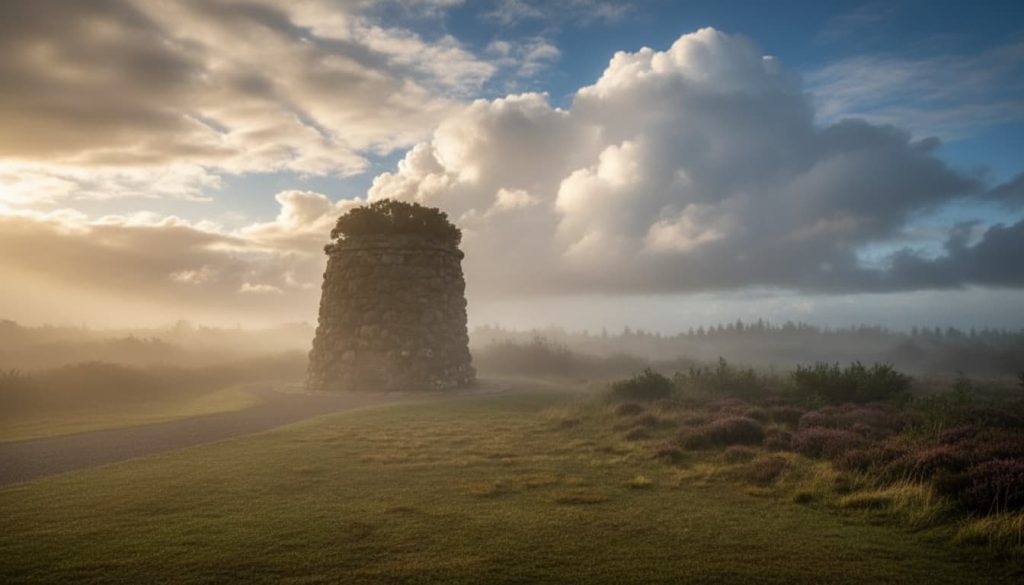
Basing yourself in or near Inverness allows you to unpack your bags once and embark on diverse day trips. From here, you are less than an hour from Loch Ness and the historic Culloden Battlefield. You can also comfortably manage full-day excursions to the Isle of Skye, the rugged northwest coast, or the Malt Whisky Trail in Speyside.
The Isle of Skye and the West Coast
If you prefer a multi-day touring route, heading west towards the Isle of Skye reveals some of Scotland’s most dramatic coastal scenery.
The route takes you past the iconic Eilean Donan Castle, through the mountain passes of Kintail, and over the Skye Bridge to famous sites like the Old Man of Storr and the Quiraing.
Glencoe and the Great Glen
Travelling southwest from Inverness leads you down the Great Glen fault line. This route passes Fort Augustus at the southern tip of Loch Ness, moves past the Commando Monument near Fort William, and enters the atmospheric, volcanic valley of Glencoe.
It can also easily be combined with a detour to see the Glenfinnan Viaduct, famous for its historic Jacobite monument and its appearances on film.

3. Navigating the Logistics: Driving vs. Private Tours
How you choose to get around the Highlands will completely shape your holiday experience.
The Realities of Driving in Scotland
Renting a car offers flexibility, but it requires driving on the left side of narrow, twisting roads. In the more remote regions, many routes are single-track. This means the road is only wide enough for one vehicle, requiring drivers to use designated “passing places” to allow oncoming traffic to pass or to let faster vehicles overtake from behind.
Navigating these roads while keeping your eyes on the scenery can be stressful for international visitors.
The Benefits of a Private Tour
Opting for a private tour allows you to step away from the steering wheel and fully immerse yourself in the landscape. Travelling with a local driver-guide in a comfortable, spacious vehicle ensures you do not miss the hidden viewpoints or struggle with tight parking spaces at popular landmarks.
At Highlander Private Tours, our itineraries are entirely flexible. We provide door-to-door service starting from your accommodation in Inverness, Invergordon, or Edinburgh. Because we live here, we know how to adjust timings seamlessly on the day to match your personal interests and pace.
4. Experience-Based Insight: Tips from a Highland Local
To experience the Highlands like a local rather than a tourist, keep these practical observations in mind:
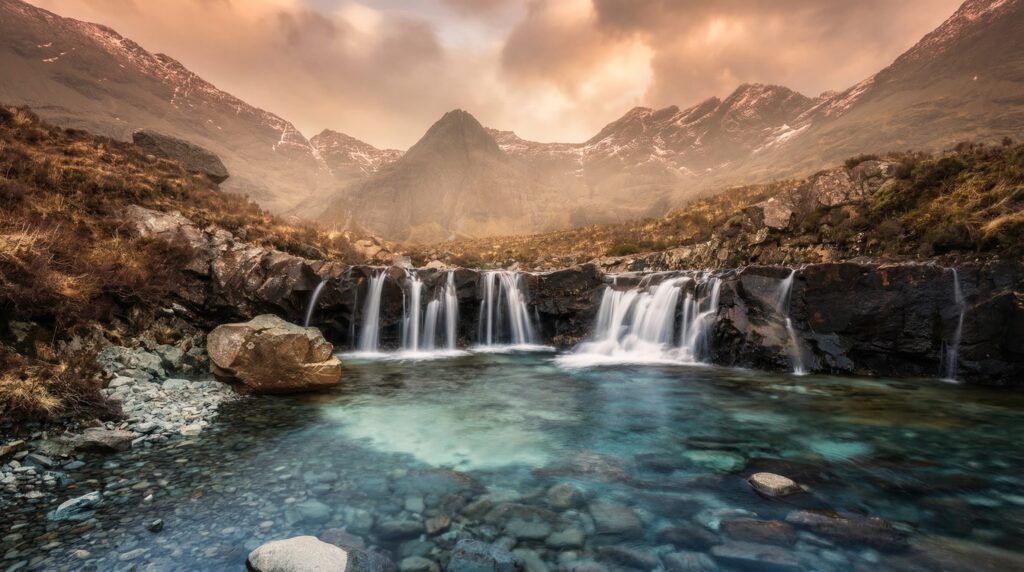
- Beat the Crowds at Major Sites: Iconic spots like the Fairy Pools on Skye or Urquhart Castle on Loch Ness get exceptionally busy between 10:30 AM and 3:30 PM. To experience them in tranquility, plan to arrive either early in the morning or later in the evening when the tour buses have departed.
- Master the Highland Wardrobe: The old saying is true: Scotland can experience four seasons in a single day. A bright, sunny morning can quickly turn into a chilly, wet afternoon. Always pack a windproof and waterproof jacket, sturdy walking shoes with good grip, and lightweight layers you can easily add or remove.
- Midges and How to Deal with Them: The Highland midge is a tiny, biting insect found near water and damp moorland, primarily from June to September. They are completely harmless but can be annoying on still, overcast days. They cannot fly in a breeze, so coastal areas or windy ridges are usually midge-free. If you are exploring wooded glens, pack an insect repellent containing Smidge or Avon Skin So Soft.
- Pre-Book Everything in Advance: Due to high demand, accommodation, popular distillery tours (such as Glenmorangie or Macallan), and private tours can book out months ahead. If you have your heart set on a specific experience, secure your bookings well before you fly.
5. Frequently Asked Questions About Highland Travel
How many days do you need to see the Scottish Highlands?
To truly appreciate the region without rushing, we recommend a minimum of 3 to 5 days. A 1-day or 2-day trip allows you to see key highlights, but our multi-day tours provide the time needed to venture further west to the Isle of Skye, explore the deep valleys of Glencoe, or tour the North of Scotland.
Is it easy to drive around the Scottish Highlands?
Driving in the Highlands can be challenging if you are unfamiliar with narrow roads, single-track lanes, and driving on the left. While major roads like the A9 and A82 are standard two-lane highways, rural and coastal routes require careful navigation and a firm understanding of passing place etiquette.
Can you do a day trip to the Isle of Skye from Inverness?
Yes, it is entirely possible to enjoy an Isle of Skye tour from Inverness as a day trip, but it is a long and active day. The journey typically takes 9 to 10 hours round trip. It includes incredible scenic stops along the way, such as Eilean Donan Castle and the Sligachan Old Bridge, before exploring Portree and the Trotternish Peninsula.
Can I see Loch Ness in a single day?
Absolutely. A Loch Ness tour from Inverness is one of the easiest and most popular day trips, often combined with visits to Urquhart Castle, the historic Culloden Battlefield, and the standing stones of Clava Cairns.
What should I pack for a trip to the Highlands?
Pack comfortable layers, a high-quality waterproof and windproof jacket, and broken-in walking shoes or boots. An umbrella is rarely useful due to the Highland wind. It is also wise to bring a small daypack, sunglasses, a refillable water bottle, and insect repellent if visiting in the summer.
Do I need cash in the Highlands of Scotland?
Scotland is largely a cashless society. Card payments and contactless options (like Apple Pay) are accepted almost everywhere, including in rural pubs, taxis, and small gift shops. However, it is always a good idea to carry a small amount of Great British Pounds (GBP) in cash for emergencies or very remote honesty boxes.
Plan Your Perfect Highland Journey
The most memorable trips to Scotland are those tailored to your own rhythm, interests, and curiosity. Whether you want to trace your ancestral history, photograph dramatic coastal castles, or sample fine single malts at historic distilleries, a bespoke itinerary ensures you experience the real spirit of the country.
Get in touch with Highlander Private Tours to discuss your travel dates, choose your ideal routes, and let us take care of the driving while you enjoy the journey.


