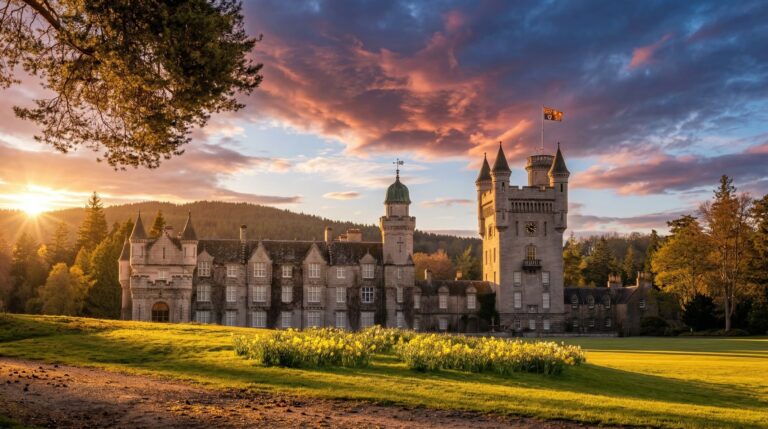
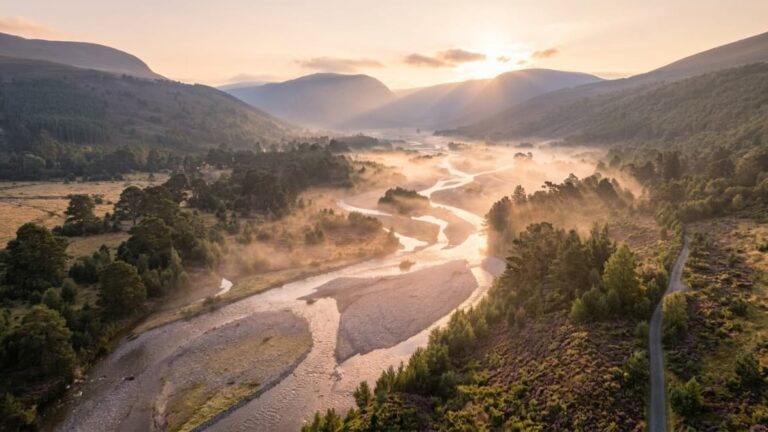
For many Norwegian travellers, the Scottish Highlands feel both remarkably familiar and delightfully different. While the shared Viking heritage and dramatic, glacier-carved landscapes create a sense of kinship, Scotland offers a distinct cultural tapestry of ancient clans, world-class whisky, and a pace of life that invites deep exploration.
If you are planning a journey from Norway to the Highlands in 2026, you are likely looking for more than just a sightseeing trip. You are seeking a connection to the landscape and a seamless, high-quality experience that respects your time and curiosity.
At Highlander Private Tours, we specialise in bridging that gap, providing bespoke, expert-led journeys that start the moment you land in the North.
Direct Connections: Flying from Norway to Scotland in 2026
Getting to the Highlands has never been more straightforward for Scandinavian visitors. In 2026, air connectivity between Norway and Scotland is robust, with several carriers offering efficient, low-cost, and direct options.
Direct Flights to Edinburgh and Aberdeen
While Inverness is the “Capital of the Highlands,” most international travellers from Norway find it most efficient to fly into Edinburgh (EDI) or Aberdeen (ABZ).
- Norwegian Air: Continues to be the primary bridge, with frequent direct flights from Oslo Gardermoen (OSL) to Edinburgh. They also operate seasonal routes from Bergen and Stavanger, making it easy for those on the west coast to reach Scotland in under two hours.
- Loganair: Scotland’s airline provides vital links, often operating direct services from Stavanger and Bergen to Aberdeen and Edinburgh. Their “all-inclusive” fare structure (including luggage) is particularly popular with travellers bringing outdoor gear.
- SAS (Scandinavian Airlines): For those flying from regional Norwegian airports like Trondheim or Tromsø, a quick connection via Oslo remains a reliable way to reach Edinburgh or Aberdeen.
- Lufthansa & KLM: While not direct, these carriers offer high-frequency connections via Frankfurt or Amsterdam into Inverness Airport (INV), placing you at the doorstep of the Great Glen.
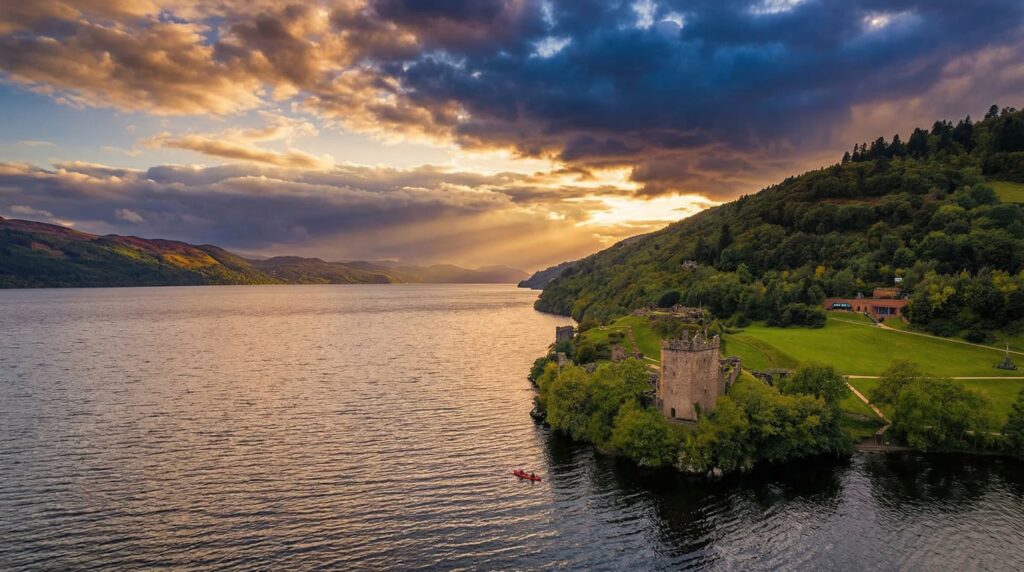
Getting to the Highlands
Once you land in Edinburgh or Aberdeen, the Highlands are within easy reach. While many choose the scenic train journey to Inverness, the most time-efficient and comfortable way to begin a luxury holiday is via a private multi-day tour.
We often meet our Norwegian guests directly at the airport, whisking them away from the crowds and straight into the Cairngorms National Park or towards the shores of Loch Ness.

Accommodation Tips: Where to Stay for an Authentic Experience
Norwegian travellers often appreciate the “hushpitality” trend of 2026—a focus on quiet, design-led, and nature-integrated stays. Scotland’s accommodation scene has evolved to meet this demand, moving away from “short-bread tin” kitsch toward high-end, authentic comfort.
- Boutique Highland Lodges: Look for traditional stone lodges that have been renovated with contemporary Scandinavian-influenced interiors (often called “Scandi-Scot”). Lundies House in Sutherland is a prime example, where Scottish heritage and minimalist design sit in quiet harmony.
- Castle Stays: For an experience you won’t find at home, staying in a 15th-century castle is a must. Achnagairn Castle near Inverness offers stunning themed rooms and a vaulted ballroom for an immersive historical stay.
- Luxury Pods and Eco-Cabins: For those who love the “friluftsliv” (open-air life) philosophy, luxury eco-cabins provide a direct connection to nature. Shieldaig Camping and Cabins (specifically their Sunset and Sildvik pods) on the shores of Loch Shieldaig offers hotel-style interiors with rugged coastal views.
Local Insight: In the Highlands, “Peak Season” (July and August) sees the best weather but the highest demand. We recommend visiting in May or September. The light is spectacular for photography, the “midges” (small biting insects) are less active, and the popular spots like the Old Man of Storr are significantly quieter.
Why the Highlands Resonate with Norwegian Travellers
There is a profound historical and geological link between our two lands. From the Udal law in Shetland to the Norse place names scattered across the Hebrides, the Viking influence is part of our DNA.
The Isle of Skye and the Inner Hebrides
For a Norwegian, the Isle of Skye feels like a home away from home, yet the jagged Cuillin mountains offer a different technical challenge to the rounded fells of Norway. A private tour allows you to explore the “Norse” history of the island, from the seat of Clan MacLeod at Dunvegan Castle to the hidden Viking ship docks at Rubh’ an Dùnain.
Whisky: The Water of Life
While Norway has a growing craft distilling scene, nothing compares to the “Whisky Holy Land” of Speyside.
Our Norwegian guests often request bespoke whisky tours that go beyond the standard visitor centre. We leverage local relationships to secure private tastings and warehouse tours at distilleries like The Macallan or the smaller, traditional floor-malting sites like The Balvenie.
Practical Advice for Your Scottish Adventure
Driving and Transport
In Scotland, we drive on the left. Many of the most beautiful Highland roads are “Single Track”—narrow lanes with passing places. If you are used to the wide E6, these can be daunting. This is one of the primary reasons travellers choose Highlander Private Tours; you can enjoy the dramatic views of the North Coast 500 while your local driver-guide handles the narrow bends and passing place etiquette.
Tipping and Currency
The UK uses the Pound Sterling (£). While Scotland is increasingly cashless, having a small amount of cash for remote honesty shops or small cafes is wise. Tipping in restaurants is generally 10% for good service, though it is not as mandatory as in the US.
Packing for “Four Seasons in One Day”
The Scottish weather is famously unpredictable. Even if you are used to Norwegian winters, the damp Atlantic wind in Scotland can feel colder than a dry -10°C in Oslo.
- The Layering System: Bring high-quality waterproofs and breathable layers.
- Footwear: Sturdy, waterproof hiking boots are essential if you plan to step off the tarmac.
FAQ: Planning Your Trip from Norway
Do I need a visa to visit Scotland from Norway?
As of 2026, Norwegian citizens do not require a visa for short-term tourism (up to 6 months) in the UK. However, you will need a valid passport and must check the latest UK ETA (Electronic Travel Authorisation) requirements before flying.
What is the best way to see the Highlands without a car?
While trains and buses connect major hubs like Inverness and Fort William, they don’t reach the “hidden gems.” A private guided tour is the most effective way to see the Isle of Skye, Glencoe, and the remote Northwest Highlands in a single trip.
Is it expensive to eat out in Scotland?
Prices are generally comparable to or slightly lower than in Oslo or Bergen. A high-end three-course dinner in a Highland gastropub typically costs between £40–£60 per person, excluding drinks.
Can I see the Northern Lights (Aurora Borealis) in Scotland?
Yes, though they are called the “Merry Dancers” here. While Norway’s Arctic north offers more frequent displays, the dark skies of the Northern Highlands and the Isle of Skye provide excellent viewing opportunities during the winter months.
Is the water safe to drink?
Absolutely. Scottish tap water is some of the highest quality in the world, often sourced directly from mountain reservoirs. Bring a refillable bottle to save money and reduce plastic waste.
Experience the Highlands with a Local Expert
At Highlander Private Tours, we don’t just show you the sights; we tell you the stories behind them. Whether you want to trace Viking roots, indulge in the finest Speyside malts, or simply find the quietest viewpoint on the Isle of Skye, our kilted guides are here to ensure your journey is effortless and unforgettable.
Ready to plan your 2026 Highland escape?
Contact Highlander Private Tours today to request a bespoke itinerary tailored to your interests.